
The Cognitive Exhaustion of the Modern Buyer
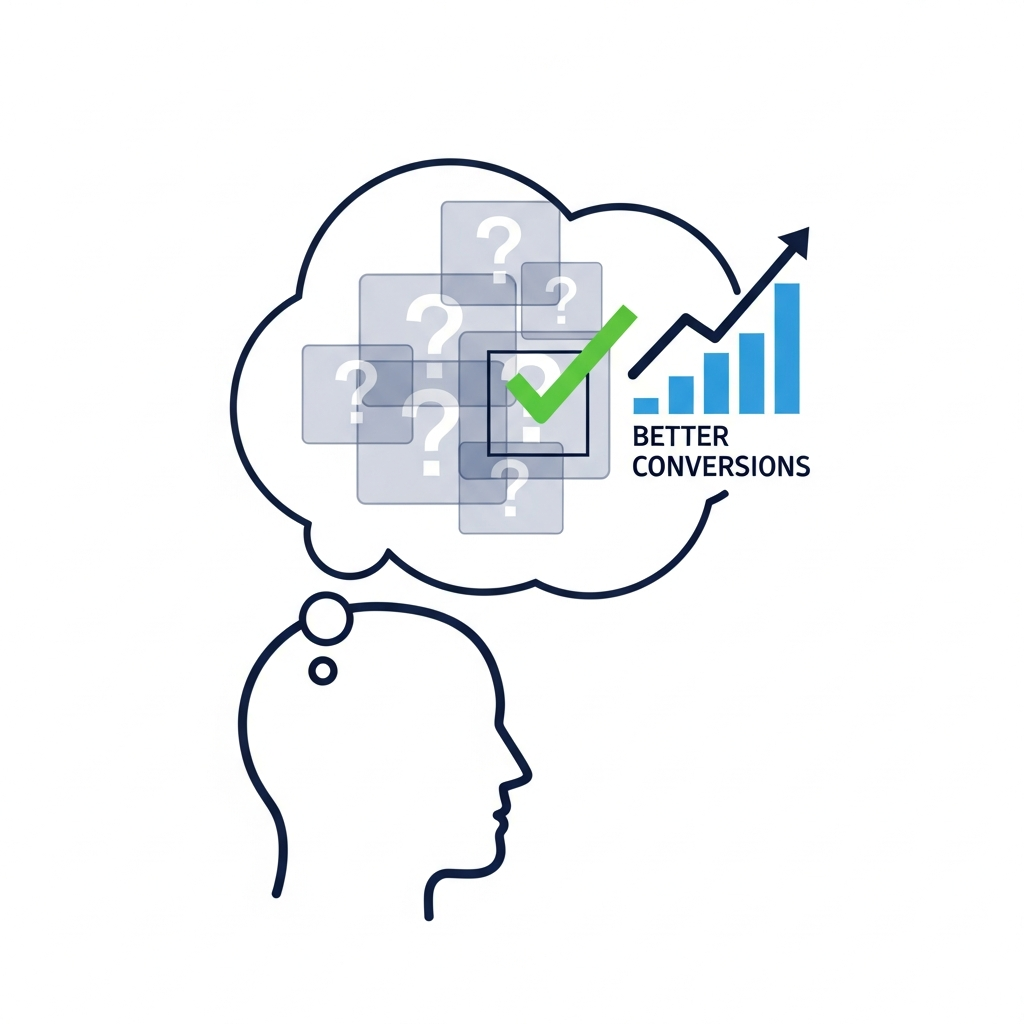
I remember sitting across from a Chief Information Officer during a grueling Q4 negotiation. He had fourteen tabs open, three different vendor comparisons on his second monitor, and a look in his eyes that I can only describe as “existential dread.” It wasn’t that he didn’t like our product. It wasn’t even a budget issue. He was simply done. Every cell in his brain was screaming for him to stop making choices. That is the reality of the modern B2B landscape. We aren’t selling to logic machines; we are selling to exhausted human beings navigating a minefield of “option overload.”
Decision fatigue isn’t just a catchy buzzword used by productivity gurus. It is a documented psychological phenomenon—often referred to as ego depletion—where the quality of decisions deteriorates after a long session of decision-making. In B2B sales, where the cycles are long and the committees are bloated, we are essentially asking our prospects to run a mental marathon. If you don’t understand the neurobiology of how your buyer’s brain processes (and rejects) information, you aren’t just losing sales; you’re actively contributing to their burnout.
The Neurobiology of the “No”: Why Choice Paralysis Kills Deals
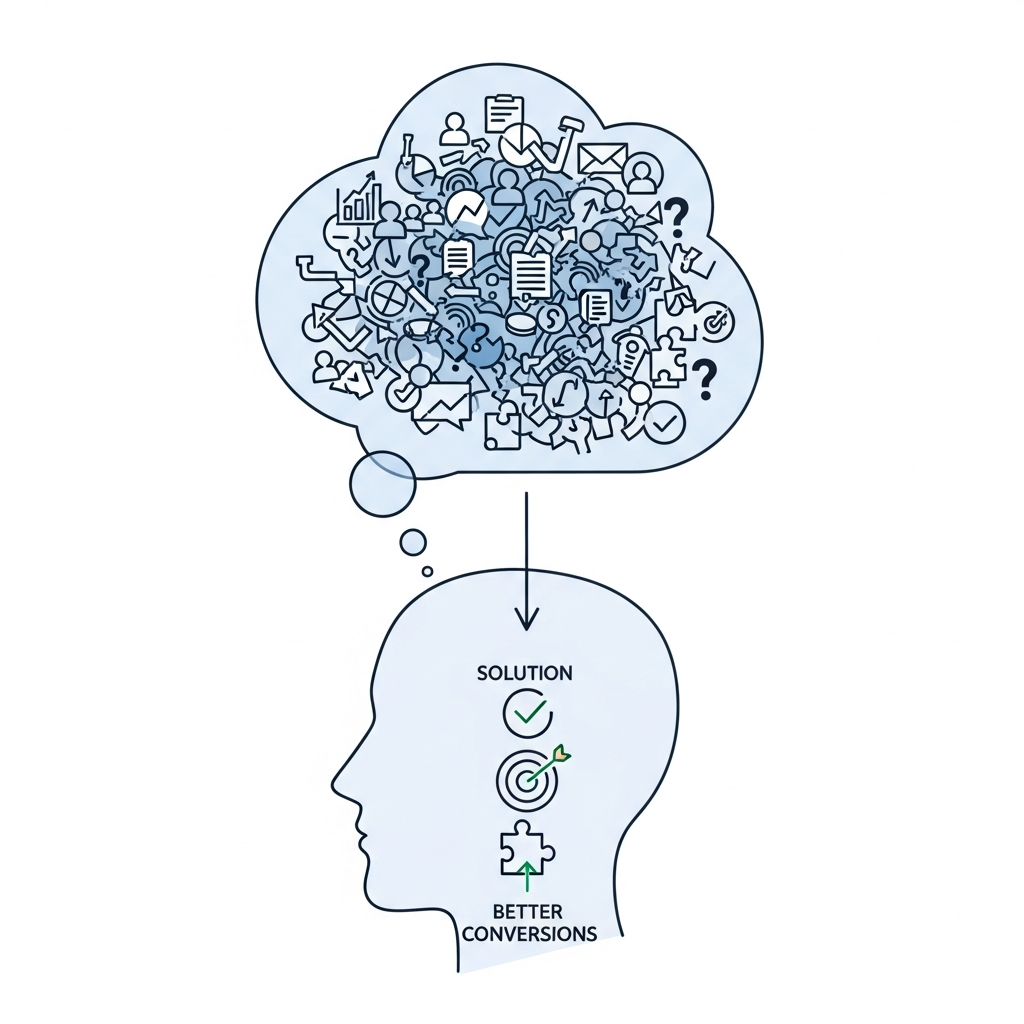
To fix the conversion problem, we have to look at the prefrontal cortex. This is the “CEO” of the brain, responsible for executive function, logic, and complex choice. But here’s the rub: the prefrontal cortex has a remarkably small battery. Every time a buyer compares two features, weighs a price point, or justifies a purchase to a stakeholder, they are draining that battery. When the battery hits zero, the brain defaults to the path of least resistance. Usually, that path is doing nothing.
The Glucose Theory of Choice
Research by social psychologist Roy Baumeister suggests that willpower and decision-making draw from a finite pool of mental energy, specifically linked to glucose levels. While the “glucose” part is debated in some neurological circles, the practical application remains undeniable: a tired brain chooses the status quo. In a B2B context, the status quo is your biggest competitor. It’s not the rival firm undercutting your price; it’s the prospect’s desire to stop thinking. If your sales process requires too much “heavy lifting” mentally, the prospect will subconsciously label your solution as a source of stress rather than a source of value.
The Paradox of Choice in Enterprise Software
Barry Schwartz’s The Paradox of Choice remains the definitive text here. He argues that while we think more options lead to better outcomes, they actually lead to anxiety and regret. In B2B, we often try to impress prospects with “modular flexibility.” We tell them, “You can configure it any way you want!” To us, that sounds like freedom. To a fatigued buyer, it sounds like homework. By providing too many configurations, we trigger analysis paralysis. The fear of making the wrong choice becomes greater than the potential benefit of making the right one.
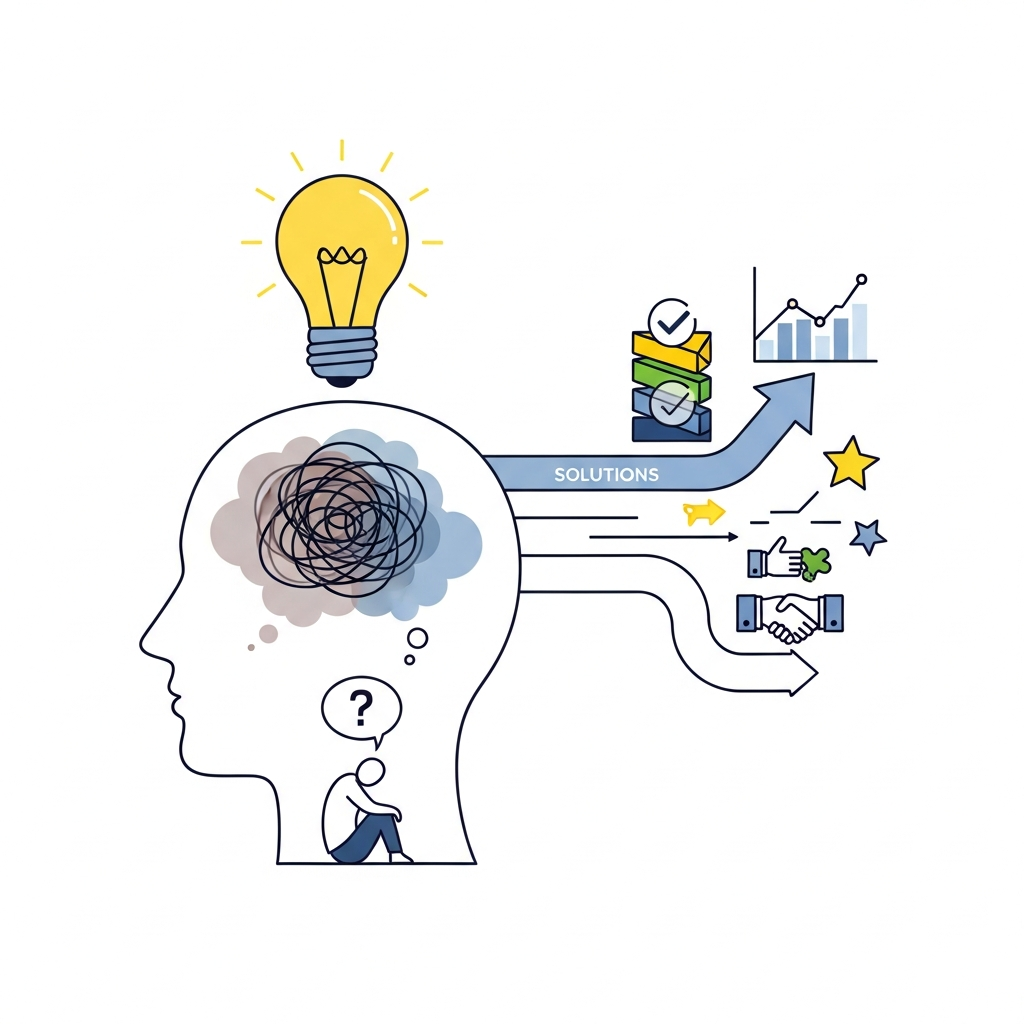
The B2B Committee Quagmire: Fatigue by Consensus
The days of the “Lone Wolf” decision-maker are dead. Gartner research indicates that the average B2B buying group now involves six to ten stakeholders. Think about the cognitive load of that for a moment. Each person in that group has their own biases, their own KPIs, and their own specific brand of decision fatigue. The “consensus-based” model of buying is a recipe for mental exhaustion.
The Noise-to-Signal Ratio
Each stakeholder introduces new variables. The CTO cares about integration; the CFO cares about the ROI timeline; the End User cares about the UI/UX. When these voices clash, the “noise” becomes deafening. As a salesperson, if you simply dump information on all of them, you are adding to the noise. High-performing reps act as information curators. They don’t give the buyer more information; they give them less, but of higher relevance. They filter the signal from the noise, effectively “outsourcing” the cognitive load from the buyer to themselves.
The Cost of “Social Friction”
Every time a buyer has to defend a choice to a colleague, they use up cognitive reserves. It’s a social risk. If you provide a 50-page slide deck, you’re asking them to do the work of distilling it for their boss. That is a massive friction point. If you want to solve decision fatigue, you must provide “internal champions” with ready-to-use, simplified collateral. Give them the one-page executive summary that makes them look like a genius without them having to sweat for it. You’re not just selling a product; you’re selling a way for them to save face and save energy.
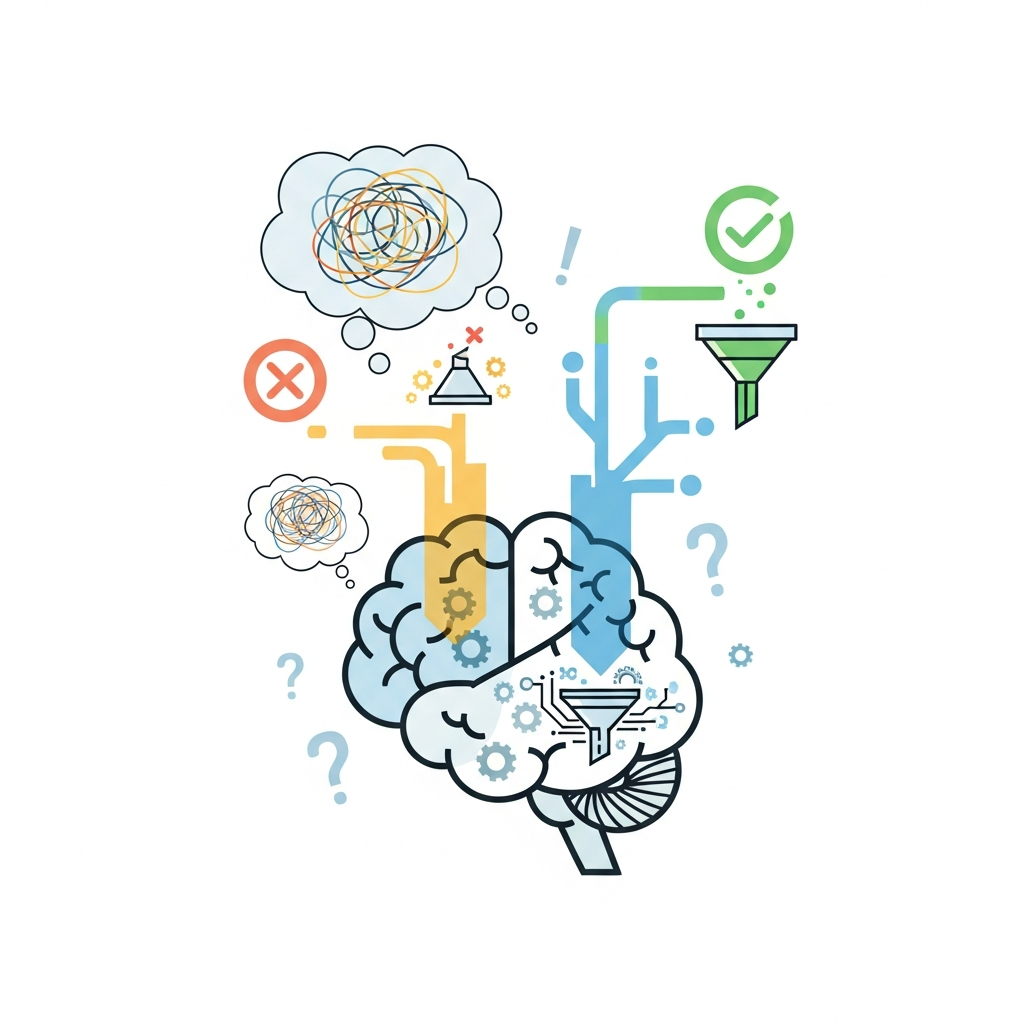
Strategic Curation: Moving from “What Do You Want?” to “Here is What You Need”
The most successful B2B closers I’ve ever worked with have stopped asking open-ended questions mid-funnel. In the discovery phase, sure, let the prospect talk. But once you move into the solutioning phase, you must transition into a prescriptive role. Think of it like a high-end restaurant with a tasting menu versus a 20-page diner menu. The diner menu is stressful. The tasting menu is a relief.
The Prescriptive Sales Model
A prescriptive approach reduces the number of decisions a buyer has to make. Instead of saying, “We have three tiers of service, which one fits your budget?” you say, “Based on your current infrastructure and your goal of 20% growth, Tier 2 is the only logical path for you. Here is why.” You have removed the burden of comparison. You have taken the weight off their shoulders. This isn’t about being pushy; it’s about being helpful. You are acting as a consultant who has already done the mental labor for them.
Reducing the “Mental Friction” of Pricing
Pricing is where decision fatigue usually reaches its zenith. Complexity in pricing models—add-ons, per-seat costs, implementation fees, tiered discounts—is a conversion killer. I’ve seen deals die because the quote was too hard to read. To combat this, simplify your “Choice Architecture.” Use anchoring strategically. Present a “gold standard” option first. It sets a mental benchmark. Even if they don’t buy it, it makes the “recommended” option feel like a safe, middle-ground compromise. It narrows the field of vision, which is exactly what a fatigued brain needs.
>The Power of Defaults and Heuristics
Humans are creatures of habit. We use “heuristics”—mental shortcuts—to make decisions without thinking. In B2B sales, you can leverage these shortcuts to bypass the fatigue barrier. The most powerful heuristic is the Default Bias. We tend to stick with whatever the pre-set option is because changing it requires cognitive effort.
- Default Configurations: Set the most popular or effective settings as the “standard” in your proposals.
- Social Proof as a Shortcut: If a buyer is too tired to analyze your data, they will look at what their peers are doing. “Companies like Google and Amazon use this configuration” is a heuristic that says, “You don’t have to think about this; they already did.”
- The Authority Bias: Use expert testimonials and third-party certifications. It allows the buyer to “borrow” the authority of others rather than verifying everything themselves from scratch.
>Micro-Conversions: Breaking the Marathon into Sprints
One of the biggest mistakes in B2B is trying to get the “Big Yes” too early. Asking for a six-figure contract is a massive cognitive load. It triggers the “threat response” in the brain. Instead, focus on micro-conversions. These are small, low-stakes “yeses” that build momentum without exhausting the buyer.
The “Foot-in-the-Door” Technique
Start with a low-friction request. “Can we spend five minutes on the phone to see if this is even a fit?” is easier than “Can we schedule a 60-minute demo?” Once they’ve committed to a small action, they are psychologically more likely to commit to the next one to maintain cognitive consistency. We like to think of ourselves as people who follow through. By getting those small wins, you are training the buyer to say “yes” to you, making the final “Big Yes” feel like a natural conclusion rather than a stressful leap.
Loss Aversion and the “Cost of Inaction”
Cognitive science tells us that the pain of loss is twice as powerful as the joy of gain. When a buyer is fatigued, they are more focused on not losing what they have (security, time, budget) than they are on gaining something new. Shift the conversation from “What you will gain” to “What you are currently losing by waiting.” This utilizes the framing effect. If they feel like they are already losing money every day they don’t act, the decision to buy becomes a way to stop the pain, which is a much more primal and easier decision than the decision to start a project.
>Healing the “Buyer’s Hangover”: Post-Purchase Dissonance
The psychological work doesn’t end when the contract is signed. In fact, that’s often when Cognitive Dissonance (buyer’s remorse) sets in. The buyer’s brain, finally coming down from the stress of the decision, starts to look for reasons why they might have made a mistake. This is why churn happens before implementation even begins.
To solve this, you need a “Decision Affirmation” strategy. Immediately after the sale, provide materials that validate their choice. Don’t send a technical manual. Send a “Welcome and Success Roadmap” that reiterates the benefits. Reassure the prefrontal cortex that it did a good job. You want to move them from the “exhaustion” phase to the “relief” phase as quickly as possible. When the buyer feels supported, their brain associates you with the end of stress, not the cause of it.
>Conclusion: The Empathy-Driven Sales Process
The “Hard Sell” is dead because the “Hard Sell” is too exhausting. Modern B2B sales is an exercise in cognitive empathy. It’s about looking at your sales process and asking, “Where am I making this person work too hard?” Every friction point, every unnecessary choice, and every bloated document is a leak in your conversion funnel.
By simplifying the choice architecture, acting as a prescriptive guide, and leveraging psychological heuristics, you aren’t just closing more deals. You are providing a service to your buyers. You are giving them back their most precious resource: their mental energy. In a world of infinite noise and endless options, the vendor who makes the decision easiest is the one who wins. It’s not about having the most features; it’s about having the most clarity. Stop selling, and start solving for the human brain.