
In the dynamic landscape of digital advertising, staying ahead requires a data-driven approach to performance marketing. As we move further into 2026, the strategies that yield the highest return on investment (ROI) are those that are both innovative and deeply rooted in understanding consumer behavior and platform capabilities. This guide explores key areas within performance marketing, offering insights and actionable advice to help businesses thrive.
The Evolution of Ad Spend and Conversion Optimization
The perennial challenge for marketers is to reduce ad spend while simultaneously increasing conversions. This isn’t a zero-sum game; rather, it’s an optimization puzzle. Success hinges on meticulous audience segmentation, compelling ad creatives, and a robust understanding of the customer journey. Platforms like Google Ads and Facebook Ads offer sophisticated targeting options, but their effectiveness is directly tied to the quality of the data and insights marketers leverage. A/B testing ad copy, landing pages, and calls-to-action is no longer a best practice but a necessity for continuous improvement. By focusing on high-intent audiences and refining campaign parameters based on real-time performance data, businesses can achieve greater efficiency and a higher conversion rate.
Leveraging Retargeting for Sustained Engagement
Effective retargeting campaigns are crucial for re-engaging users who have shown interest but haven’t yet converted. The key to successful retargeting lies in personalization and relevance. Instead of bombarding past visitors with generic ads, tailor messages based on their previous interactions with your brand. For instance, if a user abandoned a shopping cart, serve them an ad with the specific items they left behind, perhaps with a small incentive. Dynamic retargeting, powered by ad platforms, can automate this process. Furthermore, segmenting retargeting lists based on the recency and frequency of visits allows for more nuanced and effective campaigns that nurture leads through the sales funnel.
Strategic Investment: SEO vs. Paid Advertising
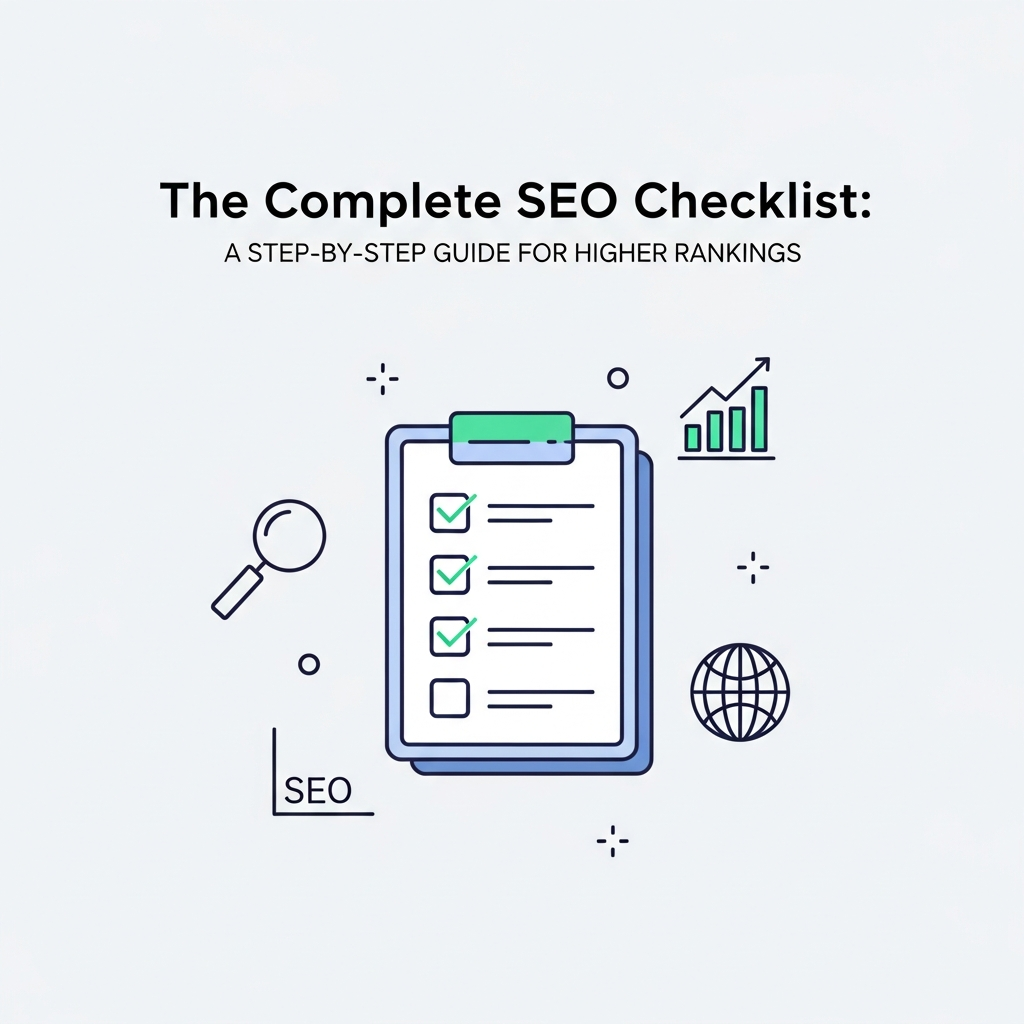
The debate between investing in Search Engine Optimization (SEO) and paid advertising is ongoing. While paid ads offer immediate visibility and traffic, SEO builds sustainable, organic growth. A balanced approach often yields the best results. Paid ads can be instrumental in driving initial traffic, testing market demand, and gathering data that can inform SEO strategies. Conversely, a strong SEO foundation ensures long-term visibility and reduces reliance on ad spend. Focusing on technical SEO, creating high-quality content that addresses user intent, and building authoritative backlinks are essential components of a robust SEO strategy. For 2026, technical SEO, including site speed optimization, mobile-friendliness, and structured data, remains paramount. Understanding E-E-A-T (Experience, Expertise, Authoritativeness, Trustworthiness) is critical for ranking on Google, emphasizing the need for content that demonstrates genuine user experience and expertise.
Building High-Converting Campaigns from the Ground Up
The foundation of any successful performance marketing campaign is meticulous planning and execution. This starts with deep keyword research, potentially utilizing data models to identify high-value terms with lower competition. On-page SEO strategies, such as optimizing title tags, meta descriptions, and content for target keywords, are vital for attracting organic traffic. Beyond keywords, conversion rate optimization (CRO) principles must be applied to landing pages, ensuring a seamless user experience that guides visitors towards the desired action. Avoid common SEO mistakes that can inadvertently harm your rankings, such as keyword stuffing, creating thin content, or neglecting mobile optimization. By integrating insights from both SEO and paid channels, and continuously refining campaigns based on performance metrics, businesses can build truly high-converting advertising efforts.
Integrating AI into personal growth strategies can also unlock new potentials for marketers, helping them to better understand themselves and their audience in the dynamic environment of 2026. Learn more about integrating AI and personal growth for a dynamic 2026.