
In the dynamic world of digital advertising, staying ahead requires a data-driven approach. Performance marketing, with its emphasis on measurable results, is key to maximizing return on investment (ROI). This guide explores essential strategies for success in 2026, drawing from current trends and proven tactics.
The Evolving Landscape of Paid Advertising
The competition between major advertising platforms continues to intensify. Understanding the nuances between platforms like Google Ads and Facebook Ads is crucial for allocating budget effectively. A data-based comparison reveals that while Google Ads excels in capturing high-intent search traffic, Facebook Ads offers unparalleled opportunities for targeted audience segmentation and brand building. The choice often depends on campaign objectives, with a strong strategy potentially leveraging both for a comprehensive approach.
Optimizing Ad Spend for Maximum Conversions
A common challenge for performance marketers is the delicate balance between reducing ad spend and increasing conversions. This often involves refining targeting parameters, optimizing ad creatives, and improving landing page experiences. Implementing robust retargeting strategies is paramount. Rather than generic follow-up ads, successful retargeting campaigns dynamically adjust messaging based on user behavior, presenting timely offers or reminders to re-engage lost prospects. These strategies, when executed with precision, can significantly boost conversion rates without a proportional increase in cost.
The Synergy Between SEO and Paid Ads
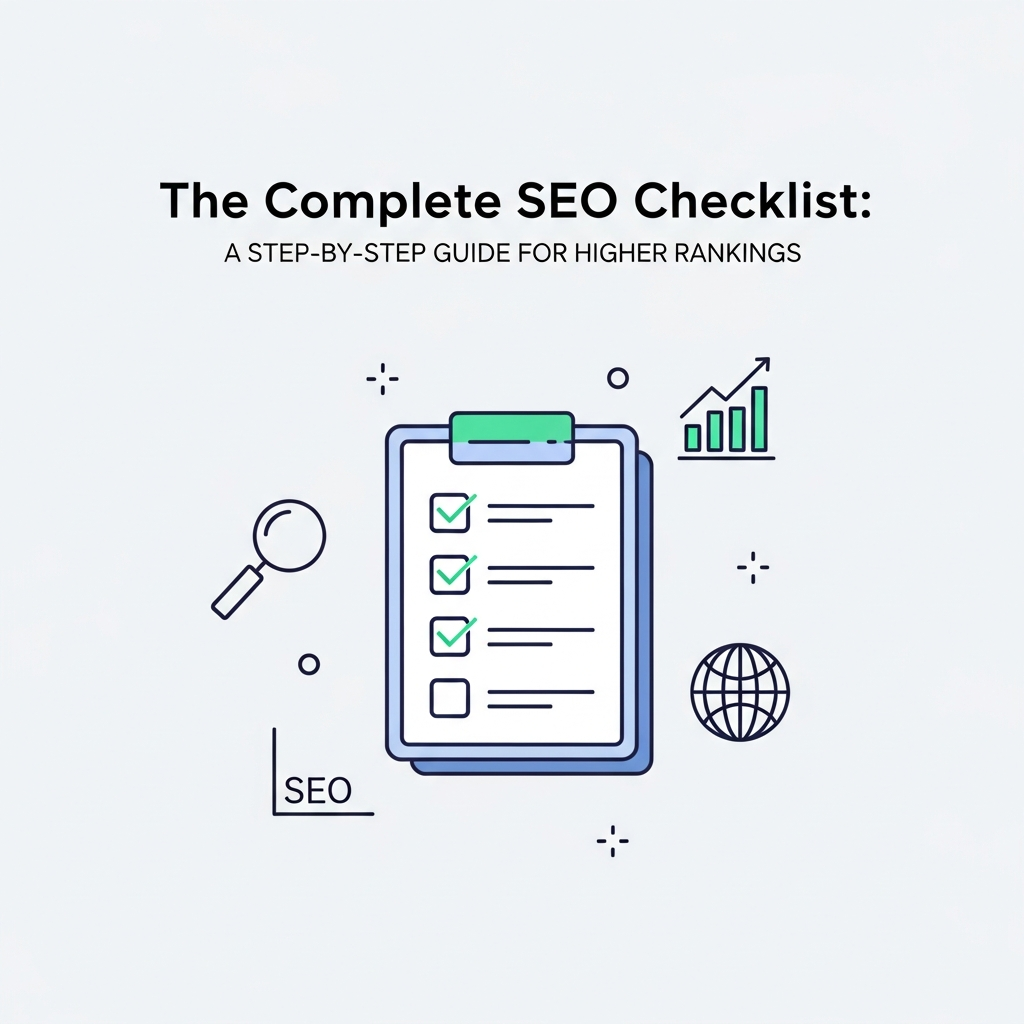
The debate between investing in Search Engine Optimization (SEO) versus paid advertising is a perennial one. However, the most effective performance marketing strategies recognize the symbiotic relationship between the two. While paid ads can deliver immediate visibility and traffic, SEO builds sustainable, long-term organic growth. For 2026, a technical SEO checklist is more critical than ever. Ensuring your website adheres to best practices, such as optimizing for mobile-first indexing, improving site speed, and implementing structured data, lays a strong foundation for all your digital marketing efforts. Furthermore, understanding concepts like E-E-A-T (Experience, Expertise, Authoritativeness, and Trustworthiness) is essential for ranking on Google, impacting both organic and paid campaign performance.
Building High-Converting Campaigns from the Ground Up
The cornerstone of successful performance marketing lies in building campaigns that are inherently designed for conversion. This starts with meticulous keyword research, moving beyond simple volume metrics to employ data models that uncover user intent and search context. On-page SEO strategies that align with user search queries and provide clear, valuable content are vital for driving relevant traffic. Crucially, avoiding common SEO mistakes that can sabotage rankings—such as keyword stuffing, thin content, or poor link profiles—is just as important as implementing positive strategies. By focusing on user experience, search intent, and a holistic approach to optimization, marketers can build campaigns that not only attract clicks but also drive meaningful business outcomes. Explore how leveraging AI tools can further enhance your blueprint for a successful 2026, as detailed in our article on AI Tools and Life Lessons: Your Blueprint for a Successful 2026.