
In the dynamic landscape of digital advertising, staying ahead requires a data-driven approach to performance marketing. As we navigate 2026, the focus shifts from mere clicks and impressions to tangible business outcomes like conversions and customer lifetime value. This guide delves into sophisticated strategies designed to optimize ad spend and boost campaign effectiveness.
The Evolving Role of Data in Performance Marketing
Gone are the days of relying on intuition. Success in performance marketing today hinges on a deep understanding and strategic application of data. Leveraging data for business growth beyond guesswork is paramount, allowing marketers to identify high-performing channels, understand audience behavior, and personalize ad creatives for maximum impact. This empirical approach ensures that every marketing dollar is invested wisely, driving measurable results.
Optimizing Ad Spend for Enhanced Conversions
A common challenge for performance marketers is the quest to reduce ad spend without sacrificing, or even while increasing, conversions. This requires a multi-faceted strategy that includes refining targeting parameters, optimizing bidding strategies, and continuously A/B testing ad copy and landing pages. By meticulously analyzing campaign performance metrics, marketers can pinpoint areas of inefficiency and reallocate budget to channels and campaigns that yield the highest return on ad spend (ROAS).
Mastering Retargeting for Conversions
Retargeting remains a powerful tool in the performance marketer’s arsenal, but its effectiveness lies in its execution. Strategies that actually work involve segmenting audiences based on their past interactions with a brand, delivering highly personalized messages, and offering compelling incentives to encourage conversion. This could include dynamic product ads that showcase items a user has viewed, or special offers for cart abandoners. Sophisticated retargeting avoids overwhelming potential customers and instead guides them through the sales funnel.
SEO vs. Paid Ads: A Strategic Investment Balance
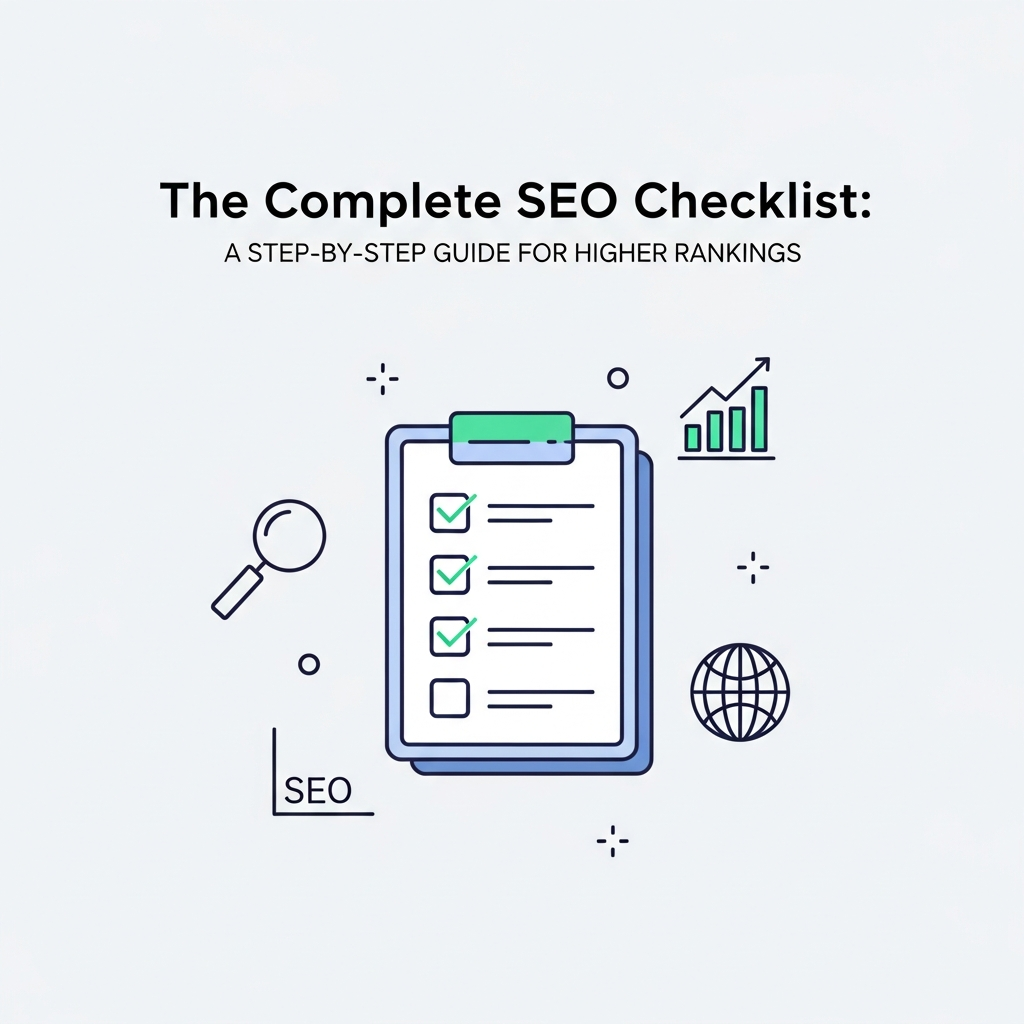
The age-old question of SEO versus paid ads continues to evolve. While both are critical components of a robust digital marketing strategy, their roles and investment priorities can shift. SEO, particularly technical SEO, remains crucial for long-term organic growth and brand authority. A technical SEO checklist for 2026 should encompass site speed optimization, mobile-friendliness, structured data implementation, and robust crawlability. Meanwhile, paid ads offer immediate visibility and precise targeting capabilities, making them ideal for driving traffic and conversions rapidly. The key is to understand where each channel offers the best return on investment for specific business goals and to create synergy between them, perhaps by using paid ad insights to inform SEO keyword strategies.
Building High-Converting Campaigns from the Ground Up
Creating high-converting campaigns involves more than just placing an ad. It requires a holistic understanding of the customer journey, from initial awareness to final purchase. This includes thorough keyword research using data models to identify intent and demand, crafting compelling ad copy that resonates with the target audience, and designing landing pages that are optimized for conversion. Factors like E-E-A-T (Experience, Expertise, Authoritativeness, Trustworthiness) explained in the context of Google’s algorithm are also increasingly important for organic visibility, which can complement paid efforts by building overall brand credibility.
On-Page SEO and Avoiding Ranking Pitfalls
On-page SEO strategies that drive traffic are fundamental for sustainable growth. This involves optimizing title tags, meta descriptions, header tags, and content with relevant keywords while ensuring a positive user experience. Equally important is understanding and avoiding SEO mistakes that kill rankings, such as keyword stuffing, thin content, or poor internal linking. By focusing on creating valuable, user-centric content and adhering to best practices, businesses can improve their search engine visibility and attract qualified organic traffic.