
In the contemporary digital ecosystem, Search Engine Optimization (SEO) has transcended its origins as a mere collection of technical parlor tricks. It has evolved into a rigorous, multidisciplinary science that sits at the intersection of linguistics, psychology, and computer science. For the uninitiated, the Google algorithm remains a cryptic deity, demanding tribute in the form of backlinks and meta-tags. However, for the seasoned practitioner, SEO is an exercise in architectural precision and semantic clarity. This guide serves as your definitive manual for navigating the labyrinthine corridors of modern search dynamics.
Section 1: The Technical Infrastructure—Building the Bedrock
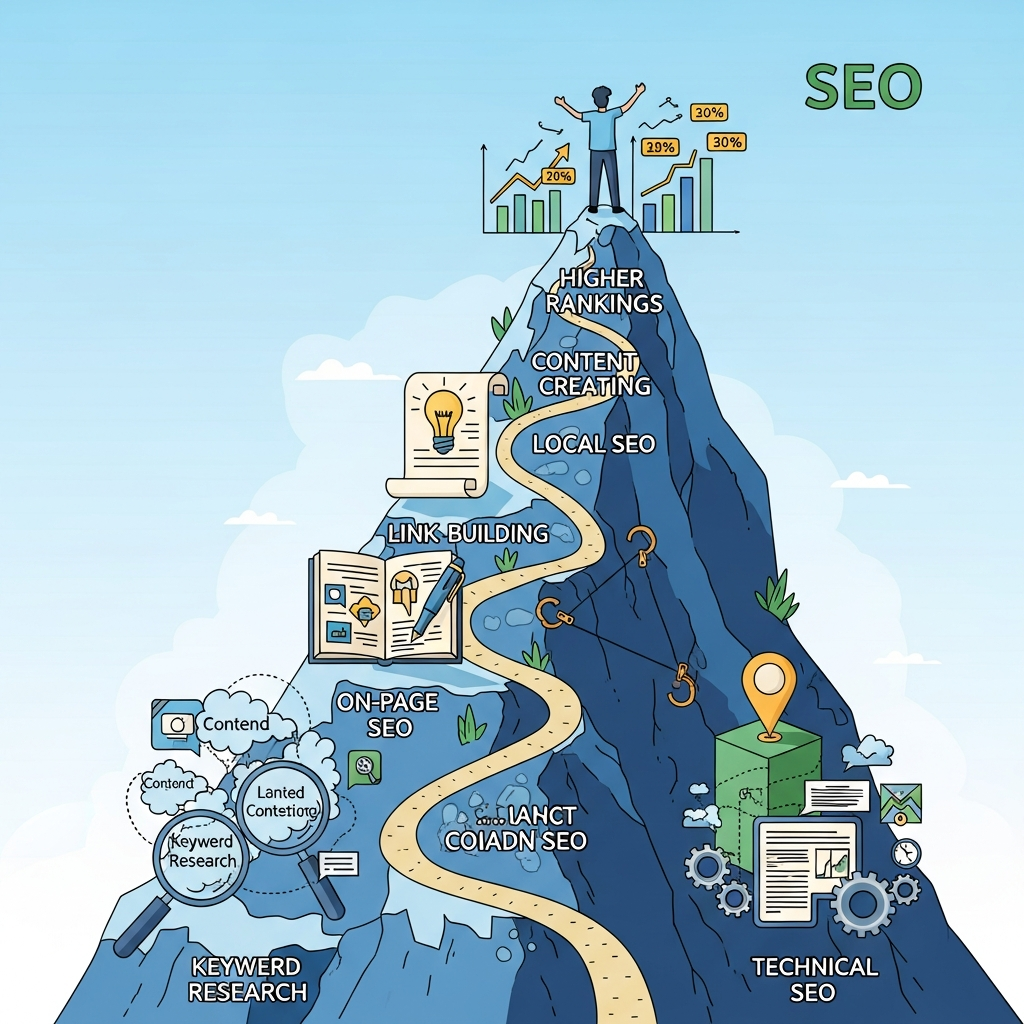
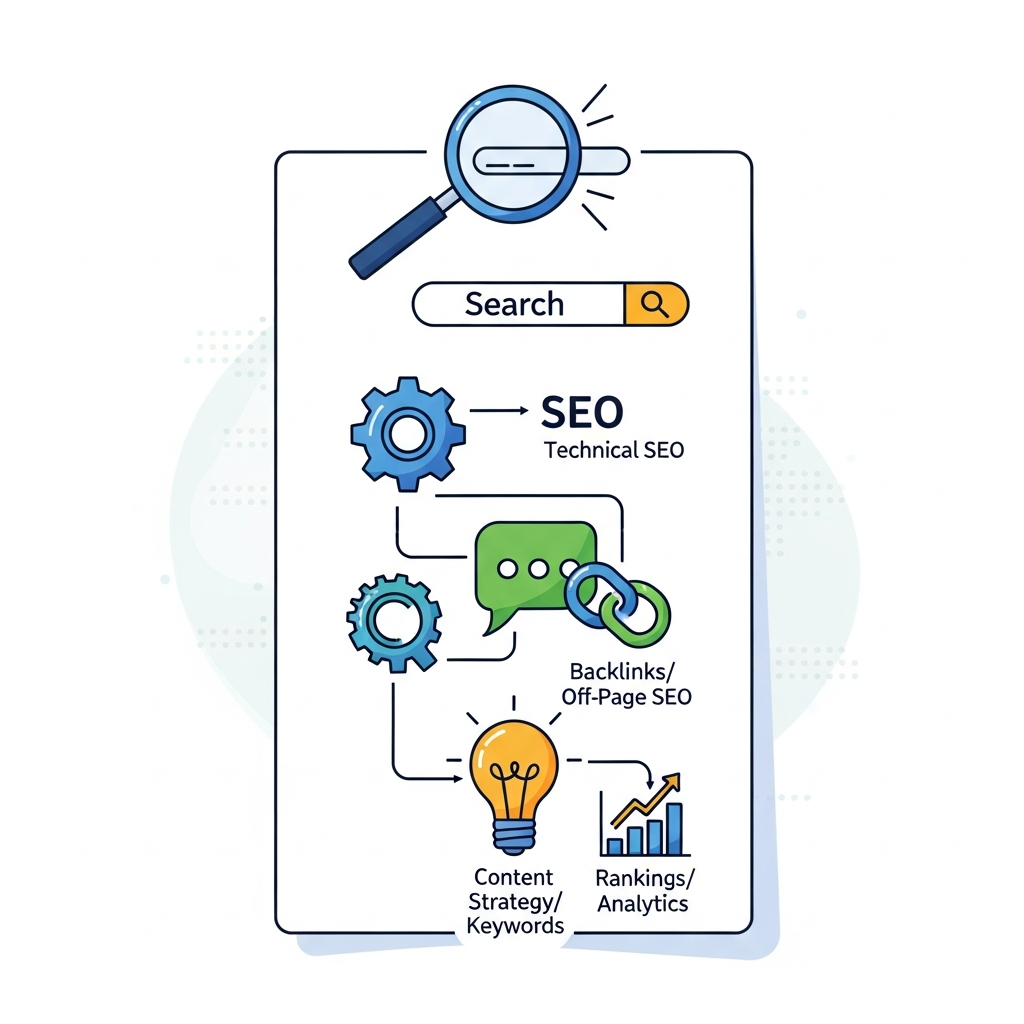
Before one can contemplate the nuances of content strategy or the psychological triggers of a meta-description, one must ensure that the underlying digital scaffolding is sound. Technical SEO is the foundation upon which all other efforts rest. If your technical house is built on sand, no amount of high-quality content will prevent it from sinking into the depths of the second page of search results.
Crawlability and Indexability
The primary directive of any search engine is to discover, parse, and store information. If your site structure prevents a crawler from accessing your pages, you are essentially invisible. Ensure your Robots.txt file is not inadvertently blocking critical directories. Furthermore, the implementation of an XML Sitemap is non-negotiable; it acts as a cartographic guide for Google’s spiders, ensuring that even the most remote corners of your domain are indexed.
The Canonicalization Conundrum
Duplicate content is the silent killer of search rankings. When multiple versions of a page exist (e.g., via URL parameters or different protocols like HTTP vs. HTTPS), search engines struggle to identify the “authoritative” source. By utilizing the rel=”canonical” tag, you provide a clear instruction to the algorithm, consolidating link equity and preventing internal competition. It is a subtle but vital act of digital hygiene.
HTTPS and Security Protocols
In an era defined by data breaches and privacy concerns, security is not just a preference; it is a ranking signal. The transition from HTTP to HTTPS via an SSL certificate is mandatory. Beyond the direct algorithmic benefit, the “Secure” padlock in the browser bar is a critical trust signal for users. In the world of SEO, trust is a currency that can be traded for conversions.
Section 2: The Semantic Core—Keyword Research and Intent Taxonomy
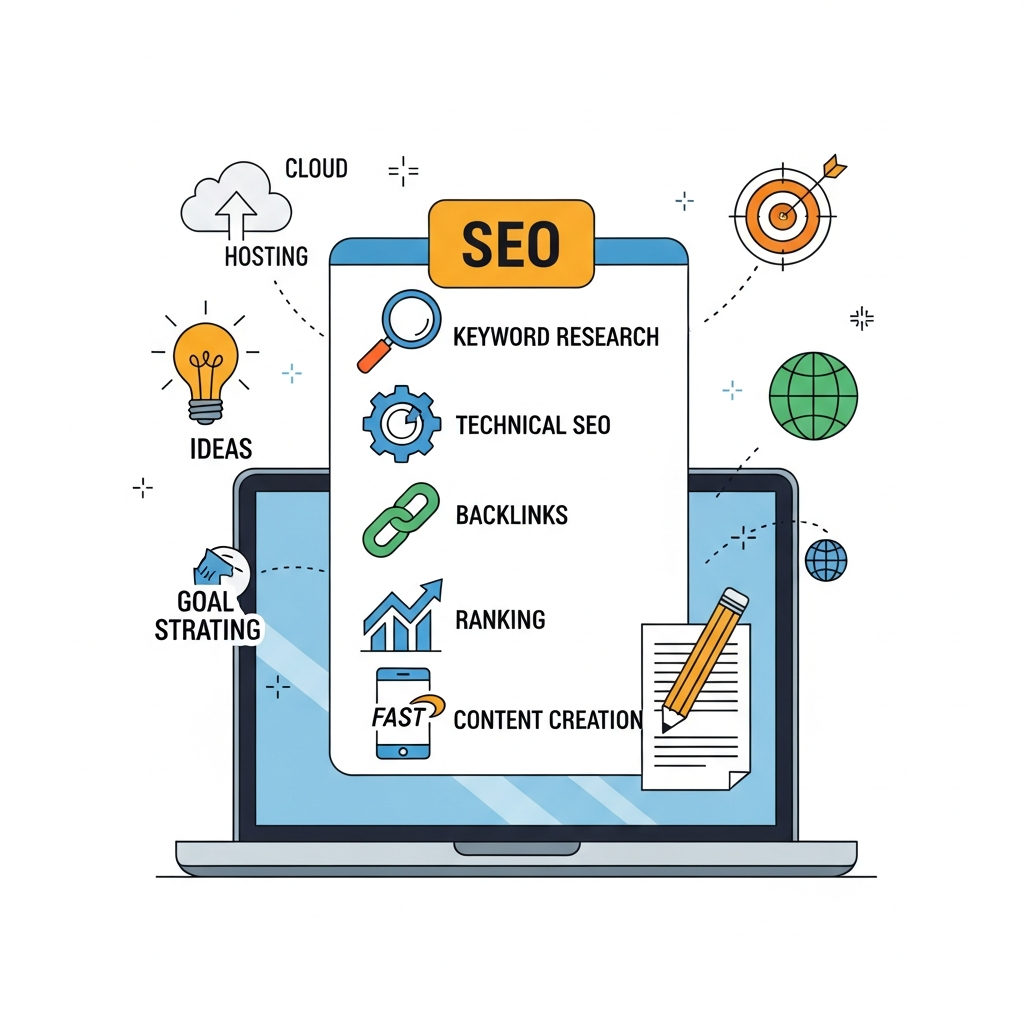
The days of “keyword stuffing” are long dead, buried under the weight of Google’s BERT and RankBrain updates. Modern search engines do not merely look for strings of characters; they seek to understand intent. Keyword research, therefore, is no longer a volume-hunting expedition; it is an ethnographic study of your target audience.
Decoding Search Intent
Every query typed into a search bar carries a specific psychological motivation. These generally fall into four categories:
- Informational: The user seeks knowledge (e.g., “What is the capital of Estonia?”).
- Navigational: The user seeks a specific website (e.g., “Facebook login”).
- Transactional: The user is ready to purchase (e.g., “Buy iPhone 15 Pro Max”).
- Commercial Investigation: The user is comparing options (e.g., “Best SEO tools 2024”).
Your content must be laser-focused on satisfying the specific intent behind the keywords you target. Ranking for a high-volume transactional keyword with an informational blog post is an exercise in futility; the user will bounce, and your rankings will plummet.
The Long-Tail and Niche Dominance
While high-volume “head” terms are enticing, they are often prohibitively competitive. The strategic practitioner looks to the long-tail keywords—queries that are more specific and often carry higher conversion rates. These phrases reflect the natural language of human speech and are increasingly relevant in the age of voice search and generative AI interfaces.
Section 3: On-Page Optimization—The Art of Relevance
On-page SEO is the process of optimizing individual web pages to rank higher and earn more relevant traffic. It is where your technical foundation meets your creative strategy. It requires a meticulous attention to detail and an understanding of how both humans and machines read a page.
Title Tags and Meta Descriptions: The Digital Storefront
Your title tag is arguably the most important on-page element. It must be concise (under 60 characters) and front-loaded with your primary keyword. However, it must also be written for humans. Think of it as a headline in a prestigious newspaper; it must provoke curiosity without descending into “clickbait.” Similarly, the meta description serves as your elevator pitch. While it may not be a direct ranking factor, it is a crucial driver of Click-Through Rate (CTR), which indirectly influences your authority.
Header Hierarchy (H1-H6)
A well-structured page is a readable page. Use a single H1 tag for your main title and use H2 and H3 tags to organize your content logically. This hierarchy allows crawlers to understand the “thematic weight” of different sections. It also provides a better experience for users who skim content—which, let’s be honest, is most of them.
Image Optimization and Alt Text
Images are not merely aesthetic ornaments; they are opportunities for optimization. Large image files can degrade page speed, so compression is essential. Furthermore, the Alt Text attribute is vital for accessibility and for providing context to search engines that cannot “see” the image. Describe the image accurately, and if it is relevant, include a keyword—but avoid the temptation to over-optimize.
“SEO is not about gaming the system; it is about learning how to speak the system’s language so that your value is never lost in translation.”
Section 4: Content Strategy—The Era of E-E-A-T
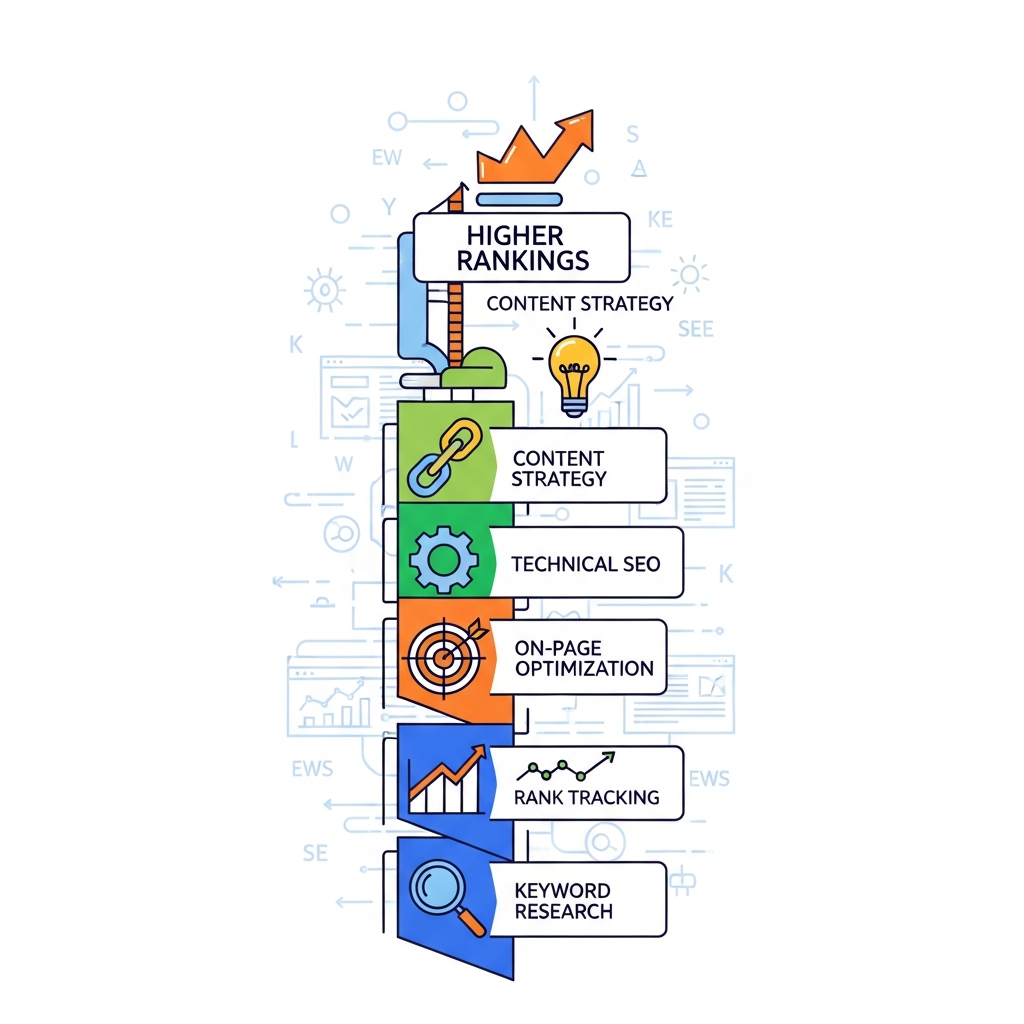
Google’s quality rater guidelines place a heavy emphasis on E-E-A-T: Experience, Expertise, Authoritativeness, and Trustworthiness. Content is no longer just about word count or keyword density; it is about establishing yourself as a credible voice in a noisy digital landscape.
The Death of Thin Content
Regurgitating existing information is a recipe for stagnation. To rank in the top tier, your content must provide “added value.” This could be original research, a unique perspective, or a superior user experience. If your page provides the same information as the ten pages above it, Google has no incentive to promote you. You must aim for 10x Content—material that is ten times better than anything currently available for that query.
Semantic Richness and LSI Keywords
Latent Semantic Indexing (LSI) is a fancy way of saying “related concepts.” If you are writing about “Paris,” Google expects to see terms like “Eiffel Tower,” “Louvre,” and “Seine.” The presence of these related terms confirms the depth of your content. Academic and comprehensive writing naturally incorporates these concepts, proving to the algorithm that you are covering the topic holistically rather than just chasing a single keyword.
The Importance of Content Freshness
In many niches, particularly those related to technology or news, the “decay” of information is rapid. A guide written in 2021 might be obsolete by 2024. Regularly updating your high-performing content signals to Google that your site is active and that your information remains accurate. This “freshness factor” can provide a significant boost to older pages that have begun to slip in the rankings.
Section 5: Off-Page SEO—Building Digital Authority
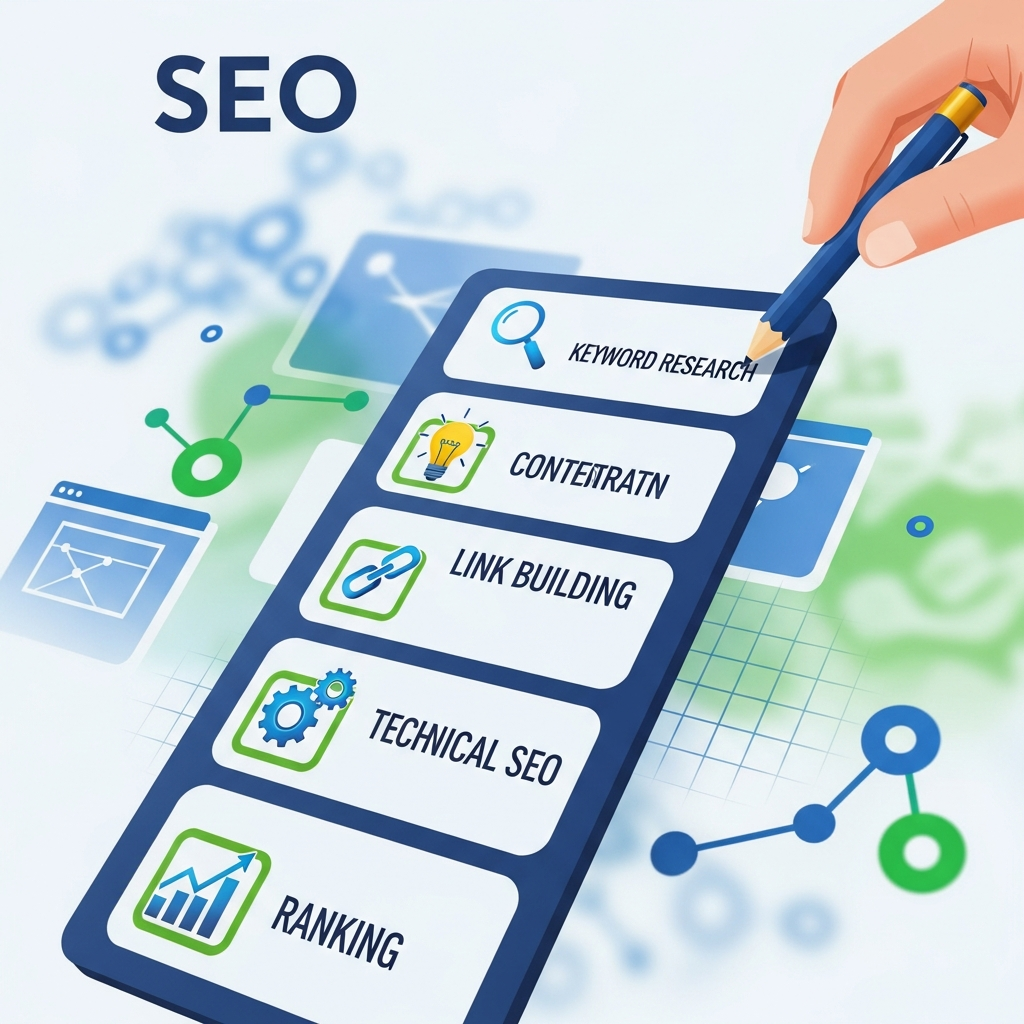
If on-page SEO is what you say about yourself, off-page SEO is what others say about you. In the eyes of a search engine, a backlink is a vote of confidence. However, not all votes are created equal. The quality and relevance of your link profile are far more important than the raw number of links.
The Anatomy of a High-Quality Backlink
A link from a high-authority, relevant site (like an industry-leading publication or a university) is worth infinitely more than a hundred links from obscure, irrelevant blogs. Focus on Editorial Merit. This is achieved through guest posting on reputable sites, digital PR, and creating “link magnets”—original data, infographics, or tools that people naturally want to reference.
The Danger of “Toxic” Links
The history of SEO is littered with the carcasses of websites that tried to “buy” their way to the top. Link farms, PBNs (Private Blog Networks), and automated link-building schemes are a direct violation of Google’s terms of service. While they might provide a short-term boost, they inevitably lead to manual penalties or algorithmic suppression. A clean, organic link profile is the only sustainable strategy.
Social Signals and Brand Mentions
While the direct impact of social media shares on SEO is a subject of much debate, there is no denying the indirect benefits. High social engagement leads to increased brand awareness, which leads to more branded searches and, ultimately, more organic links. Furthermore, unlinked brand mentions are increasingly recognized by algorithms as a signal of authority. Being talked about—even without a link—matters.
>Section 6: User Experience (UX) and Core Web Vitals
Google has made it explicitly clear: user experience is a ranking factor. The Core Web Vitals update solidified this by introducing metrics that measure how users perceive the speed, responsiveness, and visual stability of a page.
LCP, FID, and CLS: The Technical Trinity
- Largest Contentful Paint (LCP): Measures loading performance. To provide a good user experience, LCP should occur within 2.5 seconds of when the page first starts loading.
- First Input Delay (FID): Measures interactivity. Pages should have an FID of less than 100 milliseconds.
- Cumulative Layout Shift (CLS): Measures visual stability. Pages should maintain a CLS of less than 0.1.
A site that is slow or “jumpy” creates friction. Search engines want to reward sites that provide a seamless experience. Optimization techniques include using a Content Delivery Network (CDN), minifying CSS and JavaScript, and ensuring that images have defined dimensions to prevent layout shifts.
Mobile-First Indexing
We no longer live in a world where mobile optimization is an “extra.” Google now uses the mobile version of a site’s content for indexing and ranking. If your mobile site is a stripped-down, inferior version of your desktop site, your rankings will suffer. Responsive design is the industry standard for a reason; it ensures a consistent experience across all devices.
>Section 7: The Perpetual Cycle of Analysis and Iteration
SEO is not a “set it and forget it” endeavor. It is a continuous loop of implementation, measurement, and refinement. The landscape changes, competitors adapt, and algorithms evolve. To stay ahead, you must become a student of your own data.
Google Search Console and Analytics
These are the two most critical tools in your arsenal. Google Search Console provides a direct line of communication from the search engine, alerting you to crawl errors, indexing issues, and manual penalties. Google Analytics 4 (GA4) allows you to track user behavior once they arrive on your site. Are they converting? Where are they dropping off? This data should inform your future content and technical decisions.
Competitive Intelligence
You do not exist in a vacuum. Your competitors are likely pursuing the same keywords and audience. Use tools like Ahrefs, SEMrush, or Moz to analyze their link profiles and content strategies. Don’t just copy them; identify their weaknesses and capitalize on them. If they have a high-ranking post that is outdated or poorly formatted, that is your opportunity to create something superior.
The Human Element: Conversion Rate Optimization (CRO)
Ranking #1 for a high-volume keyword is a vanity metric if that traffic doesn’t translate into business value. Conversion Rate Optimization is the process of turning searchers into customers. This involves A/B testing headlines, optimizing Call-to-Action (CTA) buttons, and simplifying the checkout or contact process. SEO gets them to the door; UX and CRO bring them inside and make them stay.
>Conclusion: The Future of Search
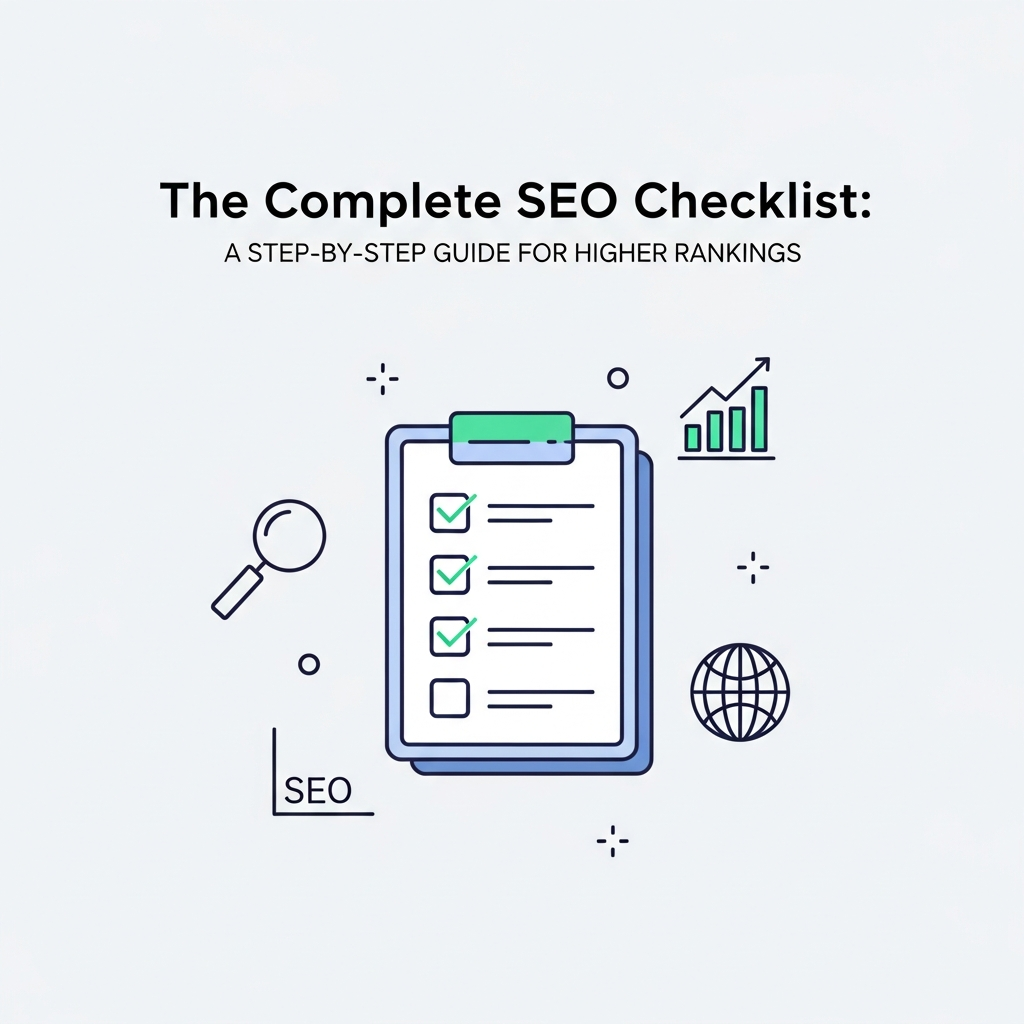
As we peer into the future, the rise of Artificial Intelligence and Search Generative Experience (SGE) promises to disrupt the status quo once again. However, the fundamental principles of SEO remain unchanged: provide the most relevant, authoritative, and accessible answer to a user’s query. By following this comprehensive checklist, you are not just optimizing for an algorithm; you are optimizing for the human experience. The rankings will follow.
The journey of a thousand rankings begins with a single audit. Start with your technical foundation, move to your semantic strategy, and never stop refining your authority. In the high-stakes game of digital visibility, the disciplined and the detailed are the ones who ultimately prevail.